Showing posts with label pathophysiology. Show all posts

Friday, 8 May 2015

Dietary Animal and Plant Protein and Human Bone Health: A Whole Foods Approach


Image result for diet and calcium

Dietary Animal and Plant Protein and Human Bone Health: A Whole Foods Approach

Linda K. Massey

Urinary calcium excretion is strongly related to net renal acid excretion. The catabolism of dietary protein generates ammonium ion and sulfates from sulfur-containing amino acids. Bone citrate and carbonate are mobilized to neutralize these acids, so urinary calcium increases when dietary protein increases. Common plant proteins such as soy, corn, wheat and rice have similar total S per g of protein as eggs, milk and muscle from meat, poultry and fish. Therefore increasing intake of purified proteins from either animal or plant sources similarly increases urinary calcium. The effects of a protein on urinary calcium and bone metabolism are modified by other nutrients found in that protein food source.

For example, the high amount of calcium in milk compensates for urinary calcium losses generated by milk protein. Similarly, the high potassium levels of plant protein foods, such as legumes and grains, will decrease urinary calcium. The hypocalciuric effect of the high phosphate associated with the amino acids of meat at least partially offsets the hypercalciuric effect of the protein. Other food and dietary constituents such as vitamin D, isoflavones in soy, caffeine and added salt also have effects on bone health. Many of these other components are considered in the potential renal acid load of a food or diet, which predicts its effect on urinary acid and thus calcium. “Excess” dietary protein from either animal or plant proteins may be detrimental to bone health, but its effect will be modified by other nutrients in the food and total diet.

Tuesday, 30 September 2014

Learn.Genetics


The Genetic Science Learning Center at The University of Utah is a nationally and internationally-recognized education program that translates science and health for non-experts. In addition to genetics, we address all areas of life science and health as well as other scientific fields.

The GSLC's websites are one of the most used science sites on the Internet.  In 2013, they received almost 20 million visits, which came from virtually every country in the world.

Friday, 19 September 2014

Facts about mitochondrial myopathies


Dear Friends:

if you are reading this booklet, it’s probably because you’ve just received a very bewildering diagnosis: mitochondrial myopathy. What is a mitochondrial myopathy, and what does the term mean? These are questions my wife, Jennifer, and I struggled with when our son, Michael, got his diagnosis in 1993.Mitochondrial myopathies have many different faces. As you will read in this booklet, dozens of varieties of mitochondrial diseases have been identified, with a complex array of symptoms. Some symptoms can be so mild that they’re hardly noticeable, while others are life-threatening.

Michael’s disease causes muscle weakness, muscle cramping, fatigue, lack of endurance and poor balance. You or your family member may have similar symptoms, yet each case is unique.

Continue reading on Muscular Dystrophy Association website.

Tuesday, 2 September 2014

Drink less for strong bones


How Does Alcohol Harm Your Bones?

When you imbibe too much -- 30 to 60 ml of alcohol every day -- the stomach does not absorb calcium adequately. Alcohol interferes with the pancreas and its absorption of calcium and vitamin D. Alcohol also affects the liver, which is important for activating vitamin D -- which is also important for calcium absorption.

The hormones important to bone health also go awry. Some studies suggest that alcohol decreases estrogen and can lead to irregular periods. As estrogen declines, bone remodeling slows and leads to bone loss. If you're in the menopausal years, this adds to the bone loss that's naturally occurring, says Kaur.

There's an increase in two potentially bone-damaging hormones, cortisol and parathyroid hormone. High levels of cortisol seen in people with alcoholism can decrease bone formation and increase bone breakdown. Chronic alcohol consumption also increases parathyroid hormone, which leaches calcium from the bone, she says.

Also, excess alcohol kills osteoblasts, the bone-making cells. To compound the problem, nutritional deficiencies from heavy drinking can lead to peripheral neuropathy -- nerve damage to hands and feet. And chronic alcohol abuse can affect balance, which can lead to falls.

Wednesday, 23 July 2014

The European Burns Association


European Burns Association

The European Burns Association is a non-profit making organisation for the benefit of the public, to promote burn prevention, to study the prevention of burn injury and all other aspects of burn treatment.

It also serves as a resource to facilitate communication and collaboration between burn care specialists. An exchange of information between the various burn centres in Europe will help us to promote the goal of the EBA.

The purpose of this forum is to bring medical specialists, researchers, paramedics, nurses and other workers in contact to discuss aspects of burn treatment and research.

Please now click on www.prevention.euroburn.org to access the Prevention site.

You can also find here the European Practice Guidelines for Burn Care.

Saturday, 3 May 2014

Preventing and treating orthostatic hypotension: As easy as A, B, C


Orthostatic hypotension is a chronic, debilitating illness that is difficult to treat. The therapeutic goal is to improve postural symptoms, standing time, and function rather than to achieve upright normotension, which can lead to supine hypertension. Drug therapy alone is never adequate. Because orthostatic stress varies with circumstances during the day, a patient-oriented approach that emphasizes education and nonpharmacologic strategies is critical. We provide easy-to-remember management recommendations, using a combination of drug and non-drug treatments that have proven efficacious.

Tuesday, 18 February 2014

Nogo antibody study for spinal cord injury recovery


Project 

Nogo is a protein that only occurs in the central nervous system and prevents nerve regeneration. However, anti-Nogo antibodies make damaged nerve fibres grow.

As part of a worldwide study with pharmaceutical company Novartis, we are currently running tests involving paralysed patients.

Researchers 
N.N. 

FAQ on the Nogo antibody study

What is the Nogo antibody study actually about?

The study aims to prove that Nogo antibodies can make damaged nerve fibres regrow in humans (not just animals) and that this growth can lead to partial improvement of the body's functions and sensitivity. At present, this medication is in an early clinical stage and is undergoing pharmacokinetic tests and tests for tolerance (to determine possible side-effects). Treatment involves injecting Nogo antibodies into the spinal fluid and must be administered within 14 days of the accident. The Nogo antibody study is being conducted in Switzerland in close cooperation between the Paraplegic Centre at Balgrist University Hospital, various trauma centres and Novartis. We are the testing centre for Switzerland - our clinic is the only one in Switzerland offering this treatment at present.

The Nogo antibody study is giving people hope. Can people in the acute stage of spinal paralysis be helped?

Unfortunately, we will currently have to disappoint anyone who is hoping that this may be a cure. At best, we can expect improvements to movement and sensitivity, which will be useful to paralysed people in their day-to-day lives. For example, a tetraplegic may require less assistance or a paraplegic may regain some sensitivity in paralysed body parts. For the time being, the aim of the Nogo antibody study is to test tolerance in humans and check for any side-effects.

Read the rest here.

Sunday, 16 February 2014

Stressed mothers 'transmit stress patterns to offspring'


Pregnant lady sitting with a laptop looking stressed

New research suggests that infants born to mothers who have been through stressful life events may experience changes at birth that impact their emotional behavior well into adulthood. This is according to a study published in the journal Biological Psychiatry.

Researchers from the University of Haifa in Israel say that previous research conducted in both humans and animals has shown that females who are exposed to stress even before they conceive can have have an impact on offspring.

Saturday, 15 February 2014

Drug information online


Drugs.com

Drugs.com provides accurate and independent information on more than 24,000 prescription drugs, over-the-counter medicines and natural products. This material is provided for educational purposes only and is not intended for medical advice, diagnosis or treatment.

Data sources include Micromedex™ (updated Dec 30th, 2013), Cerner Multum™ (updated Jan 17th, 2014), Wolters Kluwer™ (updated Jan 9th, 2014) and others. To view content sources and attributions, refer to our editorial policy.

Copyright © 2000-2014 Drugs.com. All rights reserved.

Pathophysiology of the endocrine system


A wonderful link on Pathophysiology of the endocrine system by Colorado State University.

The pages in this book are initially categorized based on scientific discipline (e.g. Endocrine Pathophysiology, Medical Virology, etc.), but there are many links between disciplines (e.g. links between pages describing the physiology of the stomach in the Digestive Pathophysiology section and pages in the Endocrine Pathophysiology section describing gastric hormones.

Saturday, 8 February 2014

Osteoporosis and bone physiology


backscattered electron image of bone

This is an amazing educational site for physicians and patients. Site maintained by Susan Ott, MD Professor of Medicine University of Washington.

Friday, 5 July 2013

Pelvic floor muscles physiology


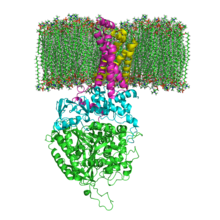
Succinate Dehydrogenase 1YQ3 and Membrane.png

I recently read an research article on pelvic floor muscle assessment and I found interesting the following parts:
  1. The pelvic floor muscles (PFM) consist of approximately 70% slow-twitch (type 1) and 30% fast-twitch (type 2) muscle fibres (Gilpin et al, 1989).
  2. During a vaginal examination using the distal pad of the index finger to palpate the perivaginal muscles, a definite bulging and lifting of the muscles are felt during a contraction, and in both the contracted and relaxed state, areas of atrophy can be detected.
  3. A moderate to strong contraction of the levator ani muscles has both a squeeze and a lift component.
  4. Regarding different muscle components (that is, fast- and slow-twitch fibres), it has been shown that fast fibres are recruited only during activities involving speed and/or power (Edwards, 1978) and if the response to a command to contract the PFM maximally is sluggish, then it is probable that only slow-twitch muscle fibres are being used. Jones and Rutherford (1987) reported that in some untrained muscles, the fast-firing muscle fibres are never recruited, and so these may need targeting in some other way during PFM rehabilitation. Gosling et al (1981) described the PFM slow-twitch fibres as being responsible for maintaining continuous muscle activity over prolonged periods, with the fast-twitch fibres recruited reflexly during sudden increases in intra-abdominal pressure, for example when coughing. A reduction in slow-twitch activity would therefore manifest itself in a short duration contraction and few repetitions, and PFM in this category may thus be responsible for decreased support of the proximal urethra and reduced urethral occlusion. A reduction in fast-twitch fibre activity may result in a slower, weaker reflex response to increases in intra-abdominal pressure. Logically, one should assess both the fast- and slow-twitch muscle fibre activity before planning an exercise regimen.
  5. Exercise programme planning: the plethora of PFM exercise regimens in the literature indicates a lack of standardisation and, when compared with general rehabilitation methodology, the reports show lack of scientific application. There is a wide range of muscular strength and endurance across any female population, and so it is postulated that a uniform, standard regimen is not appropriate. Instead, assessment of the fast- and slow-twitch components, leading to an individual exercise programme, has been proposed, to target specifically the weakness of each individual patient.
  6. Muscle weakness leads to reduction in mitochondrial oxidative capacity as indicated by a decrease in the succinate dehydrogenase (SDH) activity (Eriksson and Haggmark, 1979). Consequently, these same authors maintain that it is necessary to gradually increase the SDH reserves by repeated contractions which will deplete levels and stimulate greater production. This reinforces the theory of overload and supports the need for a programme of regular daily contractions advanced in this study.

Interesting also to know that SDH or succinate-coenzyme Q reductase (SQR) or respiratory Complex II is an enzyme complex, bound to the inner mitochondrial membrane of mammalian mitochondria and many bacterial cells. It is the only enzyme that participates in both the citric acid cycle and the electron transport chain.

The fundamental role of SDH in the electron transfer chain of mitochondria makes it vital in most multicellular organisms, removal of this enzyme from the genome has also been shown to be lethal at the embryonic stage in mice. Mutations of different genes used in its construction can lead to:
  • Leigh syndrome, mitochondrial encephalopathy, and optic atrophy
  • Tumorogenesis in chromaffin cells, causing hereditary paraganglioma and hereditary pheochromocytoma. Tumors tend to be malignant. It can also lead to decreased life-span and increased production of superoxide ions.
  • Decreased life-span, increased production of superoxide ions, hereditary paraganglioma and hereditary pheochromocytoma. Tumors tend to be benign. These mutations are uncommon.
  • Hereditary paraganglioma and hereditary pheochromocytoma. Tumors tend to be benign, and occur often in the head and neck regions. These mutations can also decrease life-span and increase production of superoxide ions.

Mammilian succinate dehydrogenase functions not only in mitochondrial energy generation, but also has a role in oxygen sensing and tumor suppression; and, therefore, is the object of ongoing research.

Sunday, 30 June 2013

Physical Therapy for Multiple Sclerosis


Multiple sclerosis (MS) is an inflammatory autoimmune disease in which myelin sheaths around nerve cells of the brain and spinal cord are damaged, leading to loss of myelin and scarring. When this nerve covering is damaged, nerve signals slow down or stop. The nerve damage is caused by inflammation. Inflammation occurs when the body's own immune cells attack the nervous system. This can occur along any area of the brain, optic nerve, and spinal cord.

MS affects women more than men. The disorder is most commonly diagnosed between ages 20 and 40, but can be seen at any age. It is unknown what exactly causes this to happen. The most common thought is that a virus or gene defect, or both, are to blame. Environmental factors may play a role. You are slightly more likely to get this condition if you have a family history of MS or live in an part of the world where MS is more common.

Symptoms

Symptoms vary, because the location and severity of each attack can be different. Episodes can last for days, weeks, or months. These episodes alternate with periods of reduced or no symptoms (remissions). Fever, hot baths, sun exposure, and stress can trigger or worsen attacks. Heat intolerance in MS shows up as a "pseudoexacerbation" - the experience of having symptoms appear or worsen due to heat exposure. This is different than a true relapse. In the case of a pseudoexacerbation, when the body’s temperature returns to normal, these symptoms disappear. No damage, such as inflammation, demyelination or new lesions, has been done during these pseudoexacerbations.

It is common for the disease to return (relapse). However, the disease may continue to get worse without periods of remission. Because nerves in any part of the brain or spinal cord may be damaged, patients with multiple sclerosis can have symptoms in many parts of the body - see the picture above for the main symptoms.

How does heat affect MS?

Demyelination slows the ability of the nerves to function, and heat further slows down nerve impulse transmission in demylinated regions. Even a very slight increase of as little as one-quarter to one-half a degree in the body’s core temperature is enough to cause symptoms of heat intolerance.

Multiple sclerosis is a demyelinating disease of the central nervous system, characterized by a relapsing and remitting or, alternatively, by a steady and continuous course of dysfunction. The hallmark of the disease is heterogeneity. How the disease presents itself depends on the exact location and total accumulation of lesions and on the impact of demyelination on nerve conduction. Conduction maybe be enhanced, producing positive symptoms like tic douloureux, paresthesia, or tingling, or conduction may be diminished, producing negative symptoms like blindness and paralysis. Diminished conduction may be total or partial, with decreases in the maximum of frequency or velocity of conduction. During remission, which may last months or years, symptoms improve as inflammation subsides, sodium channels migrate into the bare axon, remyelination of the denuded site occurs, and, ultimately, conduction resumes through the lesion sites. The deficit may also become permanent as axons degenerate. During shorter periods lasting hours or days, symptoms may also worsen, as conduction through old lesions fluctuates; conduction is “highly insecure” and subject to inflammatory factors like nitric oxide and temperature changes.

Heat worsens and cooling improves negative symptoms of multiple sclerosis, sometimes dramatically so. The underlying mechanism relates to the influence of temperature on sodium channels and on current necessary for depolarization of the axon. Increases in temperature diminish the depolarizing current, whereas decreases in temperature have the opposite effect. Sensitivity can be extreme, and very small changes can have profound effects. Heating, for example by radiation from the sun, can turn a limping gait into no gait at all. Alternatively, hot air from a hair dryer can turn a hopeful morning into an exhausting one. Cooling, on the other hand, by sitting in a cool bath or shower, can turn the “disease off” (at least for a little while) and give an individual back the freedom for exercise or work.

A University of Michigan researcher, Dr. Joseph Cannon, studied the effects of exercise on the immune system in rats and humans. He noted that the immune system may become more active in any situation when there’s a rise in body temperature (such as during strenuous activity); in other words, that exercise can have the same effect on the immune system as fever does. Since the immune system takes its cue from a rise in body temperature during illness, it evidently does the same when any rise in temperature occurs, such as during strenuous exercise, a hot day, a hot bath, or emotional stress.

Any increase in temperature, then, could result in a situation where white blood cells may be produced to fight an enemy—with no enemies around to fight! Imagine some of these white blood cells entering the CNS, gathering at various points along the nerves. These gatherings of white blood cells result in inflammation, or swelling, resulting in pressure, or a “squeeze” on nerve cells in the area. Depending on which nerve cells are being squeezed, new symptoms may appear in that part of the body associated with those nerve cells.

Diagnosis

Symptoms of MS may mimic those of many other nervous system disorders. The disease is diagnosed by ruling out other conditions. People who have a form of MS called relapsing-remitting may have a history of at least two attacks, separated by a period of reduced or no symptoms.

The health care provider may suspect MS if there are decreases in the function of two different parts of the central nervous system (such as abnormal reflexes) at two different times.

A neurological exam may show reduced nerve function in one area of the body, or spread over many parts of the body. This may include:
  • Abnormal nerve reflexes
  • Decreased ability to move a part of the body
  • Decreased or abnormal sensation
  • Other loss of nervous system functions
An eye examination may show:
  • Abnormal pupil responses
  • Changes in the visual fields or eye movements
  • Decreased visual acuity
  • Problems with the inside parts of the eye
  • Rapid eye movements triggered when the eye moves
Tests to diagnose multiple sclerosis include:
  • Lumbar puncture (spinal tap) for cerebrospinal fluid tests, including CSF oligoclonal banding
  • MRI scan of the brain and MRI scan of the spine are important to help diagnose and follow MS
  • Nerve function study (evoked potential test)

Treatment

There is no known cure for multiple sclerosis at this time. However, there are therapies that may:
  1. slow the disease through medication
  2. treat exacerbations (also called attacks, relapses, or flare-ups) by reducing inflammation through corticosteroids
  3. manage symptoms
  4. improve function and safety through physical therapy
  5. provide emotional support
In combination, these treatments enhance the quality of life for people living with MS.

Are there alternative therapies for MS?

Complementary and alternative medicine (CAM) includes a variety of interventions - from exercise and dietary supplements to stress management strategies, biofeedback, and acupuncture. These therapies - which come from many different disciplines and traditions - are generally considered to be outside the realm of conventional medicine. When used in combination with conventional medicine, they are referred to as “complementary;” when used instead of conventional medicine, they are referred to as “alternative.” In the United States today, approximately 75% of people with MS use one form or another of CAM, generally in combination with their prescribed MS treatments.

Physical Therapy and MS

The role of rahabilitation in managing MS:
  • Physical therapy, speech therapy, occupational therapy, and support groups
  • Assistive devices, such as wheelchairs, bed lifts, shower chairs, walkers, and wall bars
  • A planned exercise program early in the course of the disorder
  • A healthy lifestyle, with good nutrition and enough rest and relaxation
  • Avoiding fatigue, stress, temperature extremes, and illness
  • Changes in what you eat or drink if there are swallowing problems
  • Making changes around the home to prevent falls
  • Social workers or other counseling services to help you cope with the disorder and get assistance (such as Meals-on-Wheels)
Physical Therapy cannot treat the primary symptoms of MS, but can do a lot of things for the secondary effects that are the result of them. The Physical Therapist evaluates and addresses the body’s ability to move and function, with particular emphasis on walking, strength, balance, posture, fatigue, and pain. PT might include stretching, range-of-motion and strengthening exercises, gait training, and training in the use of mobility aids (canes, crutches, scooters and wheelchairs) and other assistive devices.

The ultimate goal is to achieve and maintain optimal functioning and prevent unnecessary complications such as de-conditioning, muscle weakness from lack of mobility, and muscle contractures related to spasticity. Building a treatment plan, a Physical Therapist should follow the WHO's ICF model and base his strategy based on that. I have already posted an article about a beautiful tool one can use in order to build his strategy - the getptsmart.com. Regarding body structures and functions, a Physical Therapist should evaluate and manage:
  1. Pain
  2. Fatigue and fitness level
  3. Balance problems and poor coordination
  4. Muscle strength
  5. Bladder and bowel control
Taking into consideration the personal and environmental factors of the specific patient together with the specific activities and participation limitations will help the Physical Therapist build a successful program tailored to the patient he is dealing with. Patient and family education always plays a major role in the rehabilitation process.

Some general techniques used in Physical Therapy are the following: 
Furthermore, taking advantage of the cooling properties of water may help attenuate the consequences of heat sensitivity. In a study done by White et al. (2000), exercise pre-cooling via lower body immersion in water of 16-17°C for 30 minutes allowed heat sensitive individuals with MS to exercise in greater comfort and with fewer side effects by minimizing body temperature increases during exercise. Hydrotherapy exercise in moderately cool water of 27-29°C water can also be advantageous to individuals with MS. Temperatures lower than 27°C are not recommended because of the increased risk of invoking spasticity.

Here is a a Physical Therapy case study that uses the getptsmart.com tool. I find it amazing.


Sources:

Wednesday, 26 June 2013

1 in 3 women experience pelvic floor disorders - you are not alone


I have already posted an article on whether transveginal mesh or physical therapy is recommended in the case of a pelvic organ prolapse in women.

I recently went through a related beatiful online community by the American Urogynecologic Societyhttp://www.voicesforpfd.org. This one is about Pelvic Floor Disorders.

I am copying from this website:


You are not alone. As many as 1 in 3 women experience pelvic floor disorders. Our online community, Take the Floor: Voices for PFD, is an outlet for women to share their stories, get support from other women, and ask experts about disorders impacting the pelvic floor, such as incontinence and prolapse.

Features of our online community include the following:

  • Discussion forums on pelvic organ prolapse, bladder control and bowel control problems
  • Ask the Experts: Have a question about pelvic floor disorders? Our *physician experts are here to help.
  • Find a Provider: Search for a specialist in your local area
  • Inspirational videos and stories from patients
  • Access to the Share MayFlowers blog-where expert commentary and solutions, real-life stories, humor, news and information come together to inspire thought and pursue change in how we perceive, talk about and act regarding female pelvic and perinatal health.

Furthermore, if you have already suffered from transveginal mesh complications, you will find this Questions & Answers by Dr. Christopher Walker at Drugwatch.com very helpful.

Mechanisms of inflammatory pain


By B. L. Kidd1 and L. A. Urban

One of the cardinal features of inflammatory states is that normally innocuous stimuli produce pain. Since the publication of the Melzack–Wall gate control theory in 1965,45 it has been widely appreciated that the nervous system exhibits a range of responses according to different conditions (‘neural plasticity’). Subsequent research has characterized the mechanisms by which these changes occur and highlighted the importance of environmental factors on perception of pain.

This review focuses on key peripheral mechanisms that result in the hypersensitivity state that accompanies inflammation. Recent studies are described which characterize a series of receptors, ion channels and transmitters involved in inflammatory pain. The mechanisms by which inflammatory mediators interact with neurones to produce hypersensitivity are also explored.

Read more.

Monday, 24 June 2013

Pelvic organ prolapse: physical therapy or surgery?


Pelvic organ prolapse arises when one or more pelvic organs (i.e. bladder, uterus, rectum) descend into the vagina from their normal positions. It can be triggered by a variety of factors, including childbirth, obesity and menopause. Prolapse affects up to 50 percent of women at some point in their lives.

Many women prefer to forgo prolapse surgery and look instead to physical therapy.

Introduced in the 1990s, transvaginal mesh was intended to permanently fix pelvic organ prolapse (POP) and stress urinary incontinence — conditions that typically plague older women after a hysterectomy or menopause. Pelvic prolapse occurs when a woman’s pelvic muscles weaken and the pelvic organs — including the bladder, rectum and uterus — drop into the vagina. SUI occurs when everyday activities place pressure on the bladder. To fix these conditions, a hammock-like piece of synthetic mesh is surgically implanted transvaginally, or through the vagina, to support the pelvic organs.

However, transvaginal mesh has several well-known complications such as organ perforation and erosion. Some of the less severe problems include constipation and urinary incontinence. 

There are a few steps you can take to get started along this path:

1. Understand the Pelvic Floor

The pelvic floor spans the area under the pelvis, and comprises muscle fibers of the coccygeus, levator ani, and relative connective tissue. The pelvic floor separates the perineal region from the pelvic cavity. Please have a look at this article I have already posted.

2. Visit and ask the advice of a Medical Doctor you trust

Always visit a Medical Doctor you trust and ask his advice. It is important for you to get all the required information, examination and testing related to this problem. A trained Medical Doctor, mainly a Urogynecologist, has this knowledge and the experience to help you in this difficult decision.

3. Ask a Physical Therapist

As the MD will probably advise you, exercising your pelvic floor muscles is of the most important things you can do. Find a trained Physical Therapist you trust, give him/her all the required information he/she will ask you and follow his/her treatment plan.

A few exercises a professional may take you through* are:


Therapists may also use biofeedback. This involves using a monitoring device with sensors placed either on your skin or inside your rectum or vagina. As you perform an exercise, a screen displays the strength of each contraction, as well as whether you’re using the proper muscles.

*Please consult a professional before attempting any of the exercises listed.

4. Consider All Options

Although surgery for prolapse can be the right choice for many women, it can be a last resort for others after they have exhausted alternative treatments. A large reason for avoiding prolapse surgery could be because of the less-than-favorable buzz surrounding transvaginal mesh, a hammock-like polypropylene plastic piece of material implanted through the vagina to support pelvic organs.

Sounds great in theory, right? Sadly, however, this mesh has been eliciting a slew of lawsuits over the complications arising for a number of women who have had it inserted transvaginally. According to the Food and Drug Administration (FDA), these complications have included organ perforation, vaginal erosion, and infection, among others.

If you do require surgery, talk to your doctor about solutions that do not involve transvaginal mesh.

An what does the American Urogynecologic Society say about these?

This article was created by me and Jen Juneau. Jen Jeneau is a content writer for Drugwatch.com. She is versed in technical writing, creative writing and everything in between.

Sunday, 16 June 2013

The effects of overtraining


I found myself extremely tired these days due to overtraining. So, I was looking ιν μυ βοοκσ ανδ online to find some information of the effects and the pathophysiology of overtraining. I am just pasting some things from Wikipedia that I find important and interesting for me as a summary of the things I need to always remember for myself and my future patients:

Overtraining is a physical, behavioral, and emotional condition that occurs when the volume and intensity of an individual's exercise exceeds their recovery capacity. They cease making progress, and can even begin to lose strength and fitness. Overtraining is a common problem in weight training, but it can also be experienced by runners and other athletes.

Like pharmacological drugs, physical exercise may be chemically addictive. One theory is that this addiction is due to natural endorphins and dopamine generated and regulated by the exercise. Whether strictly due to this chemical by-product or not, some people can be said to become addicted to or fixated on psychological/physical effects of physical exercise and fitness. This may lead to overexercise, resulting in the "overtraining" syndrome.

Physiology

Ιmprovements in strength and fitness occur only after the rest period following hard training (see supercompensation). This process can take days to complete, depending on the intensity and duration of exercise leading to the overtrained state. If sufficient rest is not available, then complete regeneration cannot occur. If this imbalance between excess training and inadequate rest persists, then the individual's performance will eventually plateau and decline. Mild over training may require several days of rest or reduced activity to fully restore an athlete's fitness. If prompt attention is not given to the developing state and an athlete continues to train and accumulate fatigue, the condition may come to persist for weeks.

Overtraining occurs more readily if the individual is simultaneously exposed to other physical and psychological stressors, such as jet lag, ongoing illness, overwork, menstruation, poor nutrition etc. It is a particular problem for bodybuilders and other dieters who engage in intense exercise while limiting their food intake.

A number of possible mechanisms for overtraining have been proposed:
  • Microtrauma to the muscles are created faster than the body can heal them.
  • Amino acids are used up faster than they are supplied in the diet. This is sometimes called "protein deficiency".
  • The body becomes calorie-deficient and the rate of break down of muscle tissue increases.
  • Levels of cortisol (the "stress" hormone) are elevated for long periods of time.
  • The body spends more time in a catabolic state than an anabolic state (perhaps as a result of elevated cortisol levels).
  • Excessive strain to the nervous system during training.
Overtraining may be accompanied by one or more concomitant symptoms:
  • Persistent muscle soreness
  • Persistent fatigue
  • Elevated resting heart rate
  • Reduced heart rate variability
  • Increased susceptibility to infections
  • Increased incidence of injuries
  • Irritability
  • Depression
  • Mental breakdown
Treatment

Allowing more time for the body to recover:
  • Taking a break from training to allow time for recovery.
  • Reducing the volume and/or the intensity of the training.
  • Suitable periodization of training.
  • Splitting the training program so that different sets of muscles are worked on different days.
  • Increase sleep time.
  • Deep-tissue or sports massage of the affected muscles.
  • Self-massage or rub down of the affected muscles.
  • Cryotherapy and thermotherapy.
  • Temperature contrast therapy (contrast showers etc.).
Changing diet:
  • Ensuring that calorie intake at least matches expenditure.
  • Ensuring total calories are from a suitable macronutrient ratio.
  • Addressing vitamin deficiencies with nutritional supplements.

Saturday, 15 June 2013

Muscular dystrophy


Muscular dystrophy is one of the most frequently encountered genetic diseases, affecting an estimated 1 in every 3500 males (but many fewer females). It is associated with the progressive degeneration of skeletal and cardiac muscle fibers, weakening the muscles and leading ultimately to death from respiratory or cardian failure.

Muscular dystrophies are caused are caused by the absence or defect of one or more proteins that make up the costameres in striated muscles. Costameres are clusteres of structural and regulatory proteins that link the Z disks of the outermost myofibrils to the sarcolemma and extracellular matrix. Proteins of the costameres serve multiple roles, including lateral transmission of force from the sarcomeres to the extracellular matrix and neighboring muscle fibers, stabilization of the sarcolemma against physical forces during muscle fiber contraction or stretch, and initiation of intracellular signals that link contractile activity with regulation of muscle cell remodeling. Defects in a number of specific costamere proteins have been demonstrated to cause various types of muscular dystrophy.

Duchenne muscular dystrophy is a sex-linked recessive disorder caused by a defect in a gene on the X chromosome that codes for the protein dystrophin. It is more common in males since they possess only 1 X chromosome, which increases the possibility of the expression of the defected gene. The defected gene can result in either a nonfunctional or missing protein leading to muscle fibers susceptibility to membrane rupture and death. The condition therefore progresses with muscle use and age. Symptoms of weakness in the muscles of the hip girdle and trunk become evident at about 2 to 6 years of age and most affected individuals do not survive far beyond the age of 20. Preliminary attempts are being made to treat the disease by inserting the normal gene into dystrophic muscle cells.

The other major forms of Muscular Dystrophy are Becker, limb-girdle, congenital, facioscapulohumeral, myotonic, oculopharyngeal, distal, and Emery-Dreifuss muscular dystrophy.

References:

  • National Institutes of Health: Department of  Health and Human Services. Report to Congress on Implementation of the Muscular Dystrophy Community Assistance. c2006 [cited 2006 May]. URL: http://www.ninds.nih.gov/find_people/groups/mdcc/md_care_implementation.pdf.
  • Widmaier EP, Raff H, Strang KT. Vander's Human Physiology: the mechanisms of body function. 12 ed. New York: McGraw-Hill International Edition; 2011.

Thursday, 13 June 2013

Clinical decision making for physical therapy


The process of clinical decision making in Physical Therapy is what makes the difference between the experienced and the inexperienced, the good and the bad, the best and the good :-)

In my opinion, if you build your "mind-map" in a well structured and clear way and you combine that with the deep knowledge of your study subjects - anatomy, physiology, biomechanics etc - then you have made the 1st step to becoming an amazing Physical Therapist..!

This is all the stuff I have covered in my 1st year in the ESP, structured in a way I thought it helps my mind and based on the following resources:


Here is the link to my structure.